




You have no products in your cart. Please visit our product catalog to add some products to your cart.
Browse ProductsMedia Center
ETI Blog
Rated short-circuit breaking capacity
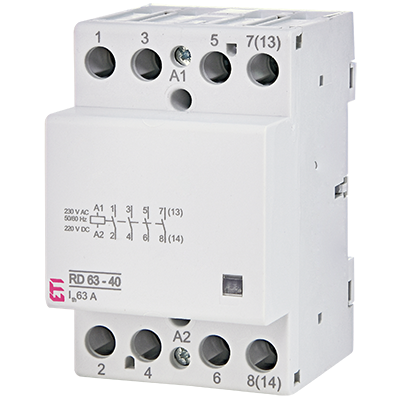
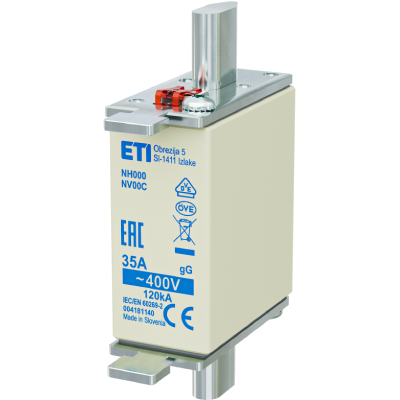
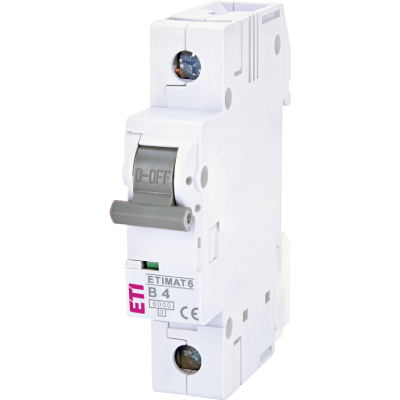
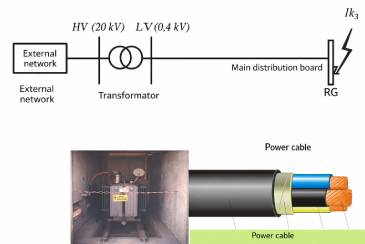
Rated short-circuit breaking capacity represents the highest value of short-circuit current that a circuit breaker or fuse is capable of interrupting. Each protective device is designed for a specific rated power and therefore for a specific rated (load) current. Short-circuit currents can permanently damage protective devices due to excessive heat and the energy released. In electrical power engineering, we use various types of electrical equipment (protective devices) with different technical specifications that also describe short-circuit capacity. Let us look at some examples.
Switch to Sustainable
Copper vs Aluminium in Electrical Engineering: What Really Matters?
Copper has long held the title of the “king” of electrical materials. Its excellent electrical and thermal conductivity, durability, and long-term reliability have made it the default choice across generations of electrical applications. Yet aluminium is everywhere too—from power lines and lightbulb sockets to aircraft systems and high-voltage busbars. So if both materials are widely used, what actually sets them apart? And why would anyone choose aluminium over copper?
ETI News
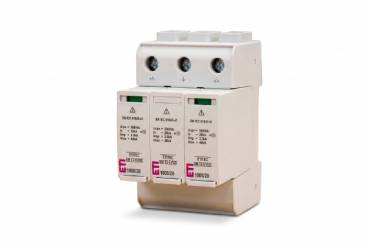
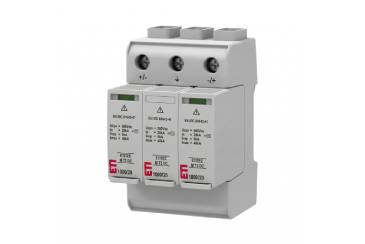
ETITEC DC EV: Type 2 DC Surge Protection for Fast and Reliable EV Charging
ETITEC DC EV device is designed specifically for the electrical demands of DC fast-charging infrastructure.
ETI News
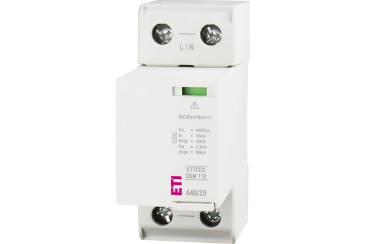
ETITEC GSM: Type 1 Protection with Zero Leakage Current
New ETITEC GSM brings a reliable and stable solution for Type 1 surge protection in demanding electrical installations. Designed around a patented gas discharge tube, it delivers high surge-handling capability while ensuring fast and consistent operation during lightning events and heavy transient overvoltages.
ETI News
ETITEC M T2 DC: Surge Protection for battery storage systems
ETITEC M T2 DC product line is developed together with special ETI NH1 gBAT 200A/1500V DC fuses, and provides the best available Type 2 surge protection in battery storage systems. The devices ensure stable operation and protection against transient overvoltages in installations with high short-circuit capability and demanding operating conditions.
ETI Blog
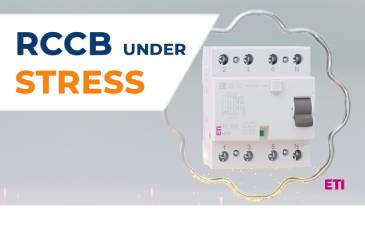
Electrodynamic Forces in RCCBs: How it Withstands Extreme Fault Conditions
During a short circuit, a residual current circuit breaker (RCCB) can experience forces strong enough to bend metal. These electrodynamic forces act within milliseconds, placing enormous mechanical stress on conductors, contacts, and structural components. Understanding how these forces arise—and how modern RCCB designs mitigate them—is essential for ensuring long-term reliability and electrical safety.
ETI News
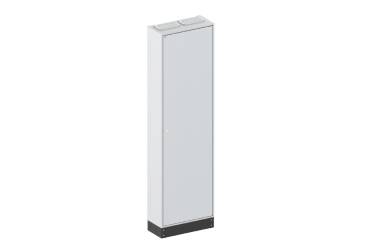
New LXN250 Enclosures Extend the SOLID GSX System
ETI is expanding the SOLID GSX system with the introduction of the LXN250 series – a new generation of modular enclosures designed to support flexible, scalable, and efficient switchboard construction.
ETI Blog
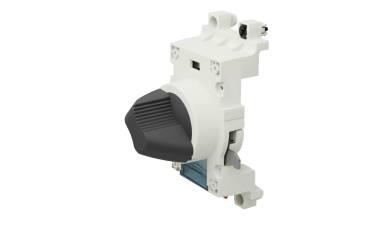
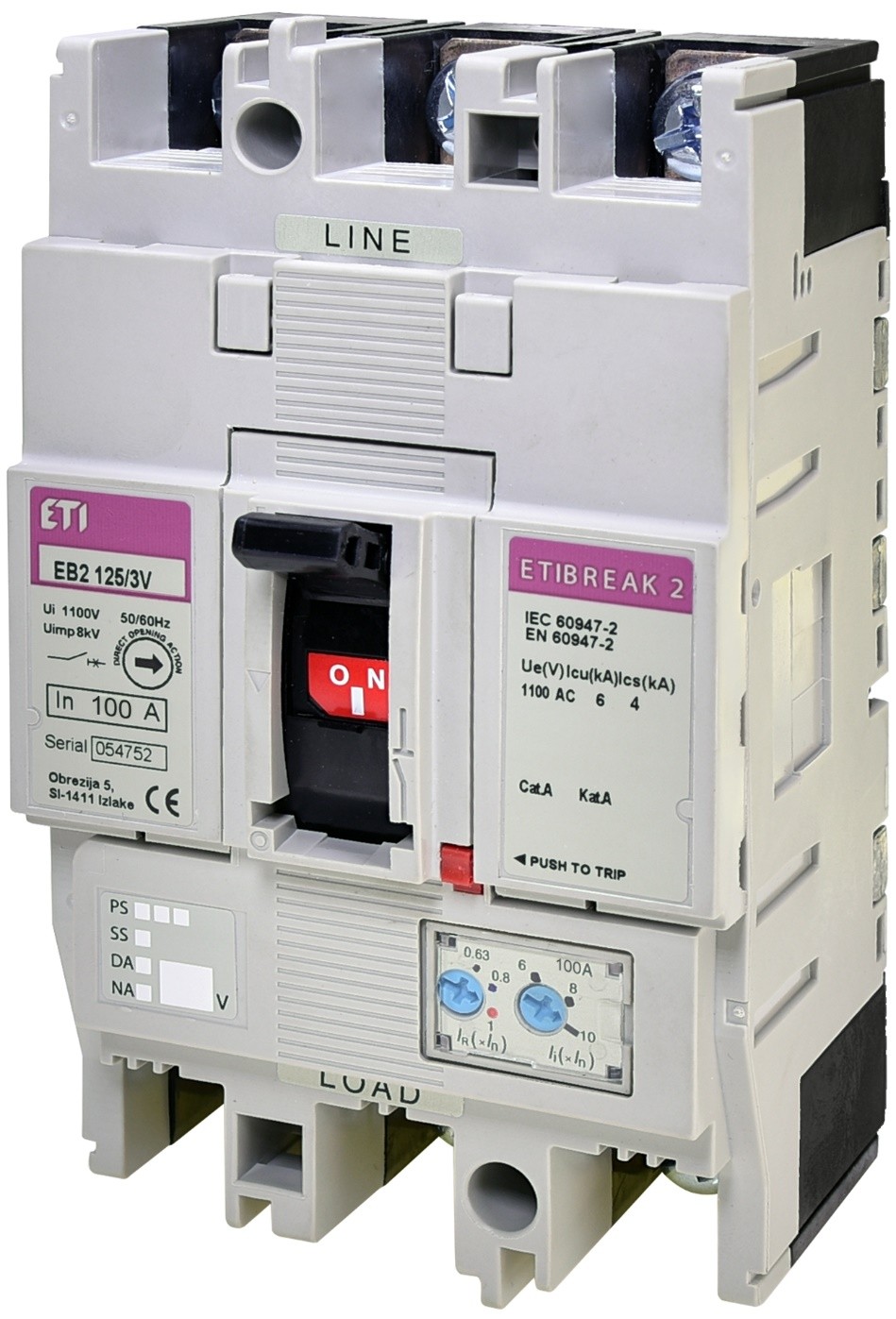
RO2S 250 Rotary Handle – Safer and Smarter Operation of EB2S 250 MCCBs
In low-voltage installations, safety and ease of operation go hand in hand. The right accessory can make daily handling simpler while also increasing protection during maintenance.
In our latest video, we present the RO2S 250 rotary handle, a breaker-mounted accessory designed specifically for ETI’s EB2S 250 moulded case circuit breaker (MCCB).
ETI News
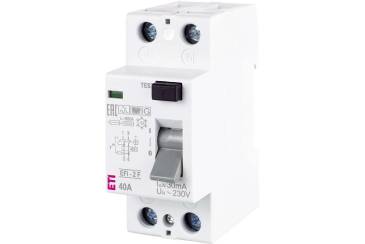
EFI-2 & EFI-4 Type F RCCBs
ETI introduces the EFI-2 and EFI-4 Type F residual current circuit breakers, designed for reliable protection in modern single-phase installations that include appliances with frequency inverters. Type F technology ensures safe operation even in the presence of mixed-frequency residual currents—a growing requirement in today’s households and small commercial environments.
ETI Corporate News
ETI at Light and Building 2026
We would like to welcome you at our stand at Light and Building 2026, which will take place from March 8th to 13th.
You can find us in Hall 11.0 / Stand C92.
ETI Blog
Compact Circuit Breakers – Understanding the Tripping Characteristics
Low-voltage circuit breakers are used to protect low-voltage installations, cable lines, and connected equipment against overloads and short circuits. On the market, we encounter two different types of compact circuit breakers: those with thermo-magnetic (electromechanical) trip units and those with electronic trip units.
Thermo-magnetic compact circuit breakers operate based on a bimetal element and an electromagnetic trip mechanism. In the case of an overload current, due to the physical properties of the bimetal, it gradually bends until the circuit breaker trips. In the event of a short circuit, a strong magnetic force is generated, which activates the electromagnetic trip mechanism.
ETI News
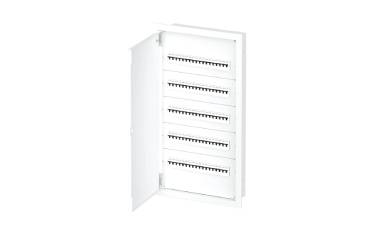
Metal Distribution Boards DIDO MB – Built for Safety, Space, and Durability
New DIDO MB series of metal distribution boxes, designed to ensure safe and reliable electrical distribution in both residential and commercial installations. The series is suitable for in-wall mounting in brick or hollow walls, making it a versatile choice for modern electrical installations.